Day 1: Get oriented
Start at the Kigali Genocide Memorial — this is the single most important stop in the city for understanding Rwanda's recent history, and it's worth allotting a proper couple of hours rather than a rushed visit.
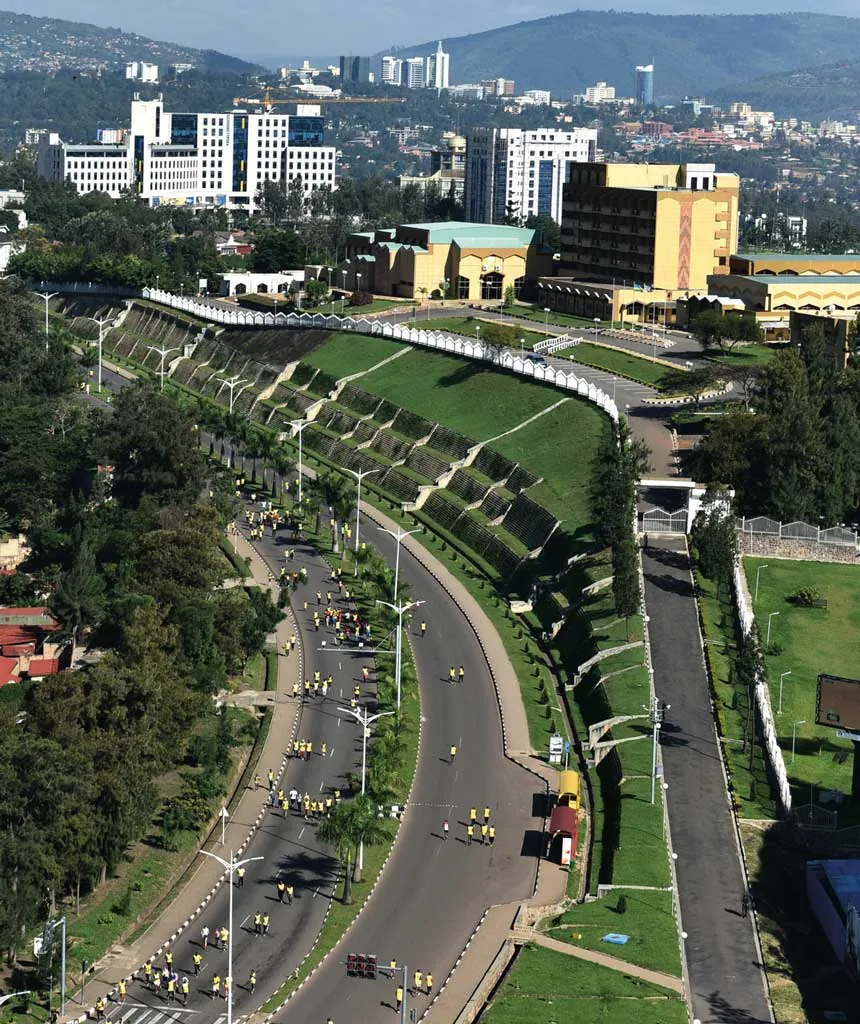
In the afternoon, walk one of Kigali's neighbourhoods rather than driving between sights. The city is hilly and genuinely walkable in sections, and the pace on foot tells you more about daily life here than a checklist of stops would.
Day 1 evening: Eat well
Kigali's restaurant scene has grown quickly — a mix of Rwandan classics and a genuinely international range. A relaxed dinner is a good way to close a first day, especially after a long flight.
Day 2: Markets and art
Local markets are worth a morning, both for the produce and for a sense of daily commerce that doesn't come through in a hotel or restaurant. Kigali also has a small but real contemporary art scene — spaces like Inema Arts Center are worth a stop if you have any interest in it.
Day 2 afternoon: Slow down before you leave
If your Kigali stop is bookending a trip into the parks, use the second afternoon to actually rest — laundry, repacking, and a slower coffee somewhere are underrated uses of a short city stay before a physically demanding trek or long safari days.
What to know
- Kigali is one of Africa's cleanest and most walkable capitals — comfortable shoes go a long way here.
- The city is genuinely hilly — factor that into how far you plan to walk in a day.
- Opening hours for the Genocide Memorial and other venues should be confirmed before you fix an itinerary; HighEnds can check them as part of planning.