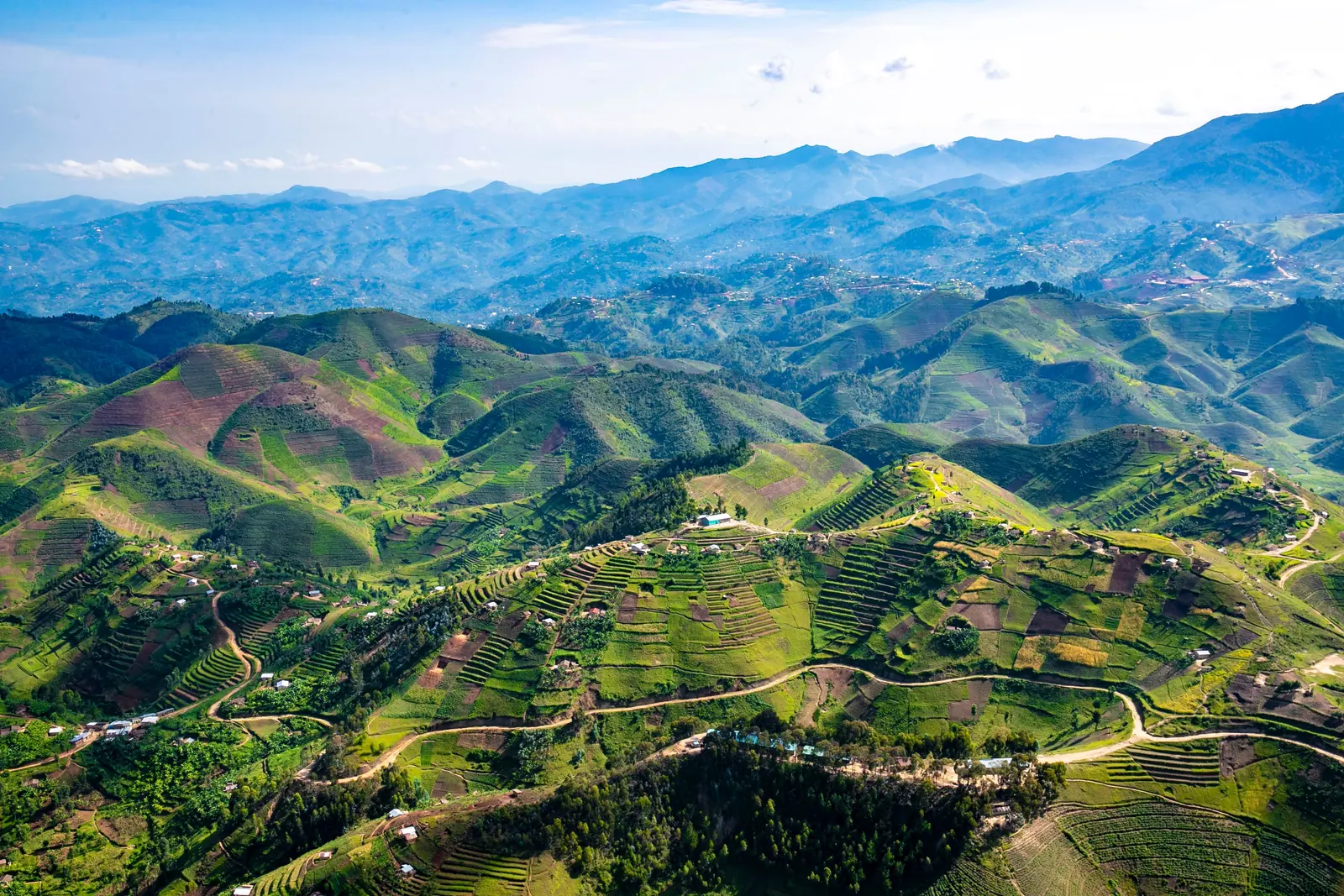
Why a week works
Rwanda rewards a slightly longer stay than a quick stopover — gorilla trekking alone takes a full day including the hike itself, and it's worth building in a buffer day around it in case of rescheduling. A week lets you pair trekking with at least one other region rather than flying home immediately after.
Days 1–2: Kigali and settling in
Most itineraries start with a night or two in Kigali — enough time to adjust, visit the Kigali Genocide Memorial, and organise permits and transport for the rest of the trip before heading out to the parks.
Days 3–4: Volcanoes National Park
The main event. Gorilla trekking permits need to be booked well ahead, and the trek itself can run from under an hour to several hours depending on where the gorilla family is that day. Building a rest day around this stretch is worth it — treks are physically demanding and timing isn't fully predictable.
Days 5–6: Akagera National Park
A different side of Rwanda — savannah rather than volcanic forest, with game drives for the country's Big Five wildlife. It's a longer drive from the Volcanoes region, so this pairing works best as two distinct legs of the trip rather than a day trip.
Day 7: Lake Kivu
A slower close to the trip — lakeside towns like Gisenyi or Kibuye make a good final stretch before flying out, with a genuinely different pace from the trekking and safari days before it.
Key things to know
- Gorilla trekking permits are limited and often booked well ahead — start this early, not once you're already in Rwanda.
- Entry requirements can change, so confirm current visa guidance before booking.
- Internal travel between regions takes real time — this isn't a trip to rush between more than two or three areas.